
Singin Bowls
History
Tibetan singing bowls are widely used in Tibet, Nepal, and also in India, Japan and China.
Their origin dates back to a period prior to the arrival of Buddhism, about 3000 years ago. According to Tibetan tradition, the sound of the bowls creates a relationship with the transcendent.
Taroro has always been engaged in the search and import of quality instruments of the eastern tradition, of which the bowls are also an integral part
Manufacturing
The bowl is made in Nepal in Kathmandu.
The forging of bowls follows alchemic criteria with respect for certain periods of the year, moon phases and amalgam of seven metals. Small differences in construction and weight are inevitable in artisan production.
The seven metals of which the alloy is composed are associated with the planetary septs connected to the ancient concept of the universe. Metal is a stone force or virtue in the deeper layer of the material and possesses the same nature as the active substance embodied in the planet to which it is connected. Gold/Sun, Silver/Moon, Mercury/Mercury, Copper/Venere, Iron/Mars, Pewter/Joy, Lead/Saturn
Meditation
The bowl is suitable for any kind of holistic use related to meditation practice and healing.
Sound is shown to influence human behavior, brain waves, nervous system, anxiety and overall body chemistry. Sound is used in sleep disorders, various physical dysfunctions, restlessness, yoga, zen and buddhistic meditation.
Showing all 6 results
-

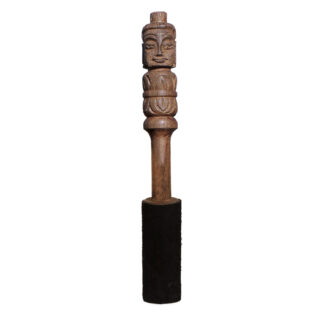
TARORO Hand-Carved, Leather-Wrapped Buddha Mallet for Singing Bowls ~ Singing bowl not included
40.00€ inc. VAT Add to basket -
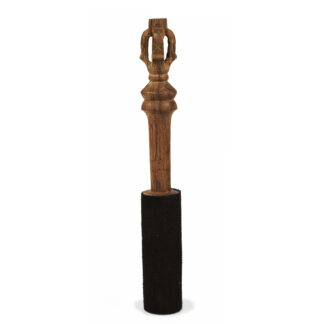
TARORO Hand-Carved, Leather-Wrapped Dorje Mallet for Singing Bowls ~ Singing bowl not included
40.00€ inc. VAT Add to basket -
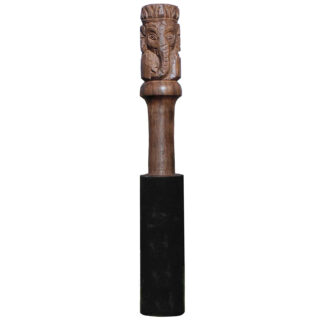
TARORO Hand-Carved, Leather-Wrapped Ganesh Mallet for Singing Bowls ~ Singing bowl not included
40.00€ inc. VAT Add to basket -
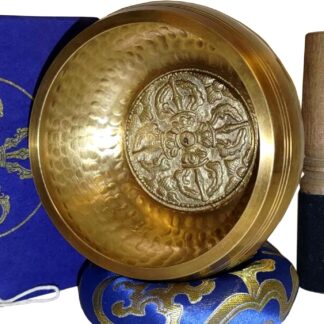
TARORO Tibetan Singing Bowl Set ~ Ø12cm ~ Dual-End Mallet, Nepalese Blue Silk Cushion and a Blue Lokta Paper Box
750.00€ inc. VAT Add to basket -
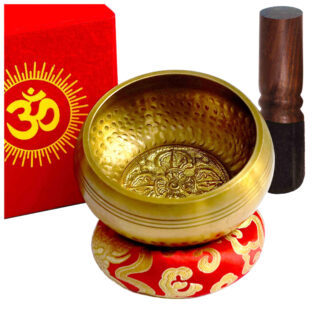
TARORO Tibetan Singing Bowl Set ~ Ø12cm ~ Dual-End Mallet, Nepalese Silk Cushion and a Red Lokta Paper Box
750.00€ inc. VAT Add to basket -
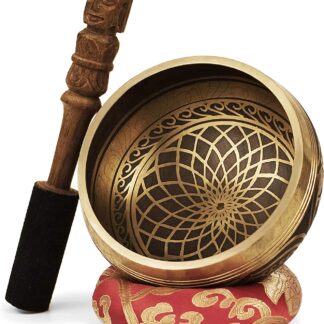
TARORO Tibetan Singing Bowl Set ~ Ø13cm ~ Dual-End Hand Carved Buddha Mallet, Nepalese Silk Cushion
750.00€ inc. VAT Add to basket
Showing all 6 results